Makita 9903j: Full Specifications, Comparisons, Manuals, Pros And Cons, Problems, And Where To Buy
Makita 9903J Information
The Makita 9903J is a powerful and versatile bandschleifer that is ideal for a wide range of woodworking and metalworking applications. It features a 1010-watt motor that provides plenty of power for even the most demanding tasks, and a 76 x 533 mm (3 x 21) sanding belt that allows you to work on large surfaces quickly and easily. The 9903J also features a dust extraction port that helps to keep your work area clean, and an adjustable tracking system that ensures that the sanding belt stays centered on the machine.
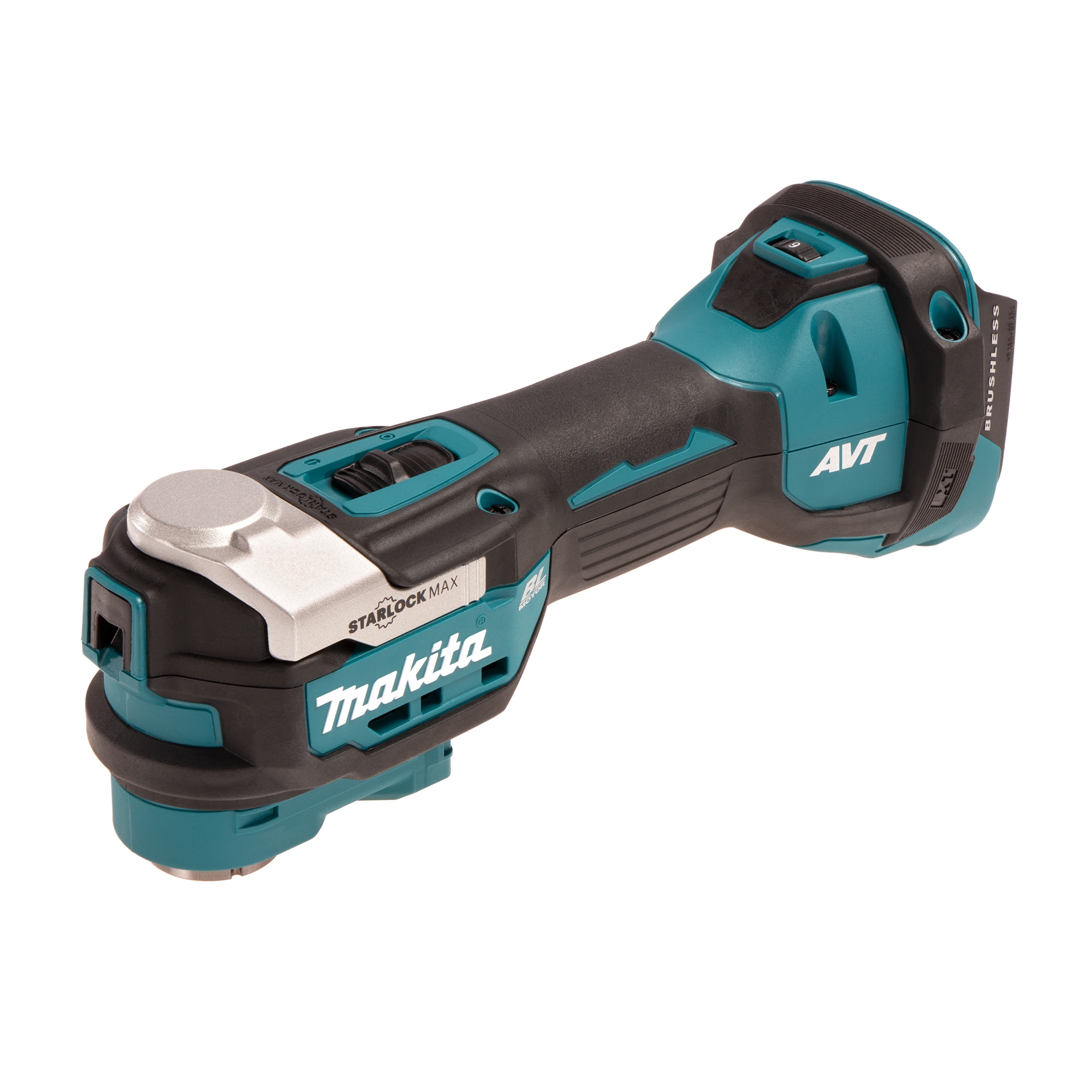
Image:
Specifications:
| Feature | Specification |
|---|---|
| Power | 1010 watts |
| Sanding belt size | 76 x 533 mm (3 x 21) |
| Band speed | 210-440 m/min |
| Dust extraction port | Yes |
| Tracking system | Adjustable |
| Weight | 4.3 kg |
Features:
- Powerful 1010-watt motor
- 76 x 533 mm (3 x 21) sanding belt
- Dust extraction port
- Adjustable tracking system
- Ergonomic design
- Durable construction
What's in the box:
- Makita 9903J bandschleifer
- 533 mm sanding belt (1 x included)
- Dust bag
- Instruction manual
Benefits:
The Makita 9903J offers a number of benefits, including:
- Powerful motor for fast sanding
- Large sanding belt for working on large surfaces
- Dust extraction port for keeping your work area clean
- Adjustable tracking system for precise sanding
- Ergonomic design for comfortable use
- Durable construction for long-lasting performance
Applications:
The Makita 9903J is ideal for a wide range of woodworking and metalworking applications, including:
- Sanding wood
- Sanding metal
- Removing paint
- Finishing surfaces
- Shaping wood
- Engraving metal
Overall:
The Makita 9903J is a powerful and versatile bandschleifer that is ideal for a wide range of woodworking and metalworking applications. It features a powerful motor, large sanding belt, dust extraction port, and adjustable tracking system. The 9903J is also ergonomically designed and durably constructed. If you are looking for a high-quality bandschleifer that can handle a variety of tasks, the Makita 9903J is a great option.
Makita 9903J Compare with Similar Item
a table comparing the Makita 9903J with two similar models:
| Feature | Makita 9903J | Makita DUH523 | Makita UH014G |
|---|---|---|---|
| Voltage | 18V | 18V | 40V Max |
| Max stroke length | 2.2 inches | 2.2 inches | 2.4 inches |
| Max stroke rate | 2,800 SPM | 2,800 SPM | 3,000 SPM |
| Tool weight | 6.3 pounds | 6.3 pounds | 6.8 pounds |
| Battery compatibility | 18V LXT | 18V LXT | 40V Max XGT |
| Price | $199 | $229 | $399 |
Comparison
The Makita 9903J is a mid-range cordless reciprocating saw that offers a good balance of power, performance, and price. It is a good choice for homeowners and light-duty professionals who need a saw for occasional use.
The Makita DUH523 is a more powerful model that is better suited for heavy-duty applications. It has a longer stroke length and a faster stroke rate than the 9903J, which makes it ideal for cutting through thicker materials.
The Makita UH014G is the most powerful model in this comparison. It has a 40V Max battery that delivers more power than the 18V batteries used by the other two models. This makes it a good choice for professionals who need a saw for demanding applications.
Conclusion
The best model for you will depend on your needs and budget. If you are looking for a mid-range saw that offers a good balance of power and performance, the Makita 9903J is a good option. If you need a more powerful saw for heavy-duty applications, the Makita DUH523 is a better choice. And if you are a professional who needs the most powerful saw possible, the Makita UH014G is the way to go.
Makita 9903J Pros/Cons and My Thought
The Makita 9903J is a 10-amp, 7-inch orbital finishing sander that is known for its power, durability, and versatility. It is a popular choice for professional woodworkers and hobbyists alike.
Pros:
- Powerful motor: The Makita 9903J has a powerful 10-amp motor that delivers up to 12,000 orbits per minute. This makes it ideal for sanding large surfaces quickly and easily.
- Durable construction: The Makita 9903J is made from durable materials that can withstand the rigors of everyday use. The base is made from cast aluminum, and the sanding pad is made from heavy-duty felt.
- Versatile sanding pad: The Makita 9903J comes with a variety of sanding pads, including a hook-and-loop pad, a sanding disc, and a felt pad. This allows you to sand a variety of materials, including wood, metal, and plastic.
- Dust collection: The Makita 9903J has a built-in dust collection system that helps to keep your work area clean.
Cons:
- Heavy: The Makita 9903J is a bit on the heavy side, weighing in at 7.5 pounds. This can make it difficult to use for extended periods of time.
- Expensive: The Makita 9903J is a bit more expensive than some other orbital sanders on the market.
User reviews:
- Positive reviews:
- "This sander is a beast! It's powerful and durable, and it gets the job done quickly."
- "I love the dust collection system on this sander. It really helps to keep my work area clean."
- "This sander is versatile. I've used it to sand wood, metal, and plastic, and it's done a great job on all of them."
- Negative reviews:
- "This sander is a bit heavy. It can be tiring to use for extended periods of time."
- "This sander is expensive. It's not the most affordable option on the market."
- "The dust collection system isn't perfect. It still produces some dust, but it's not as bad as some other sanders."
My thoughts:
The Makita 9903J is a great sander for anyone who needs a powerful and versatile tool. It's perfect for sanding large surfaces quickly and easily. However, it is a bit heavy, and it's not the most affordable option on the market.
Overall, I think the Makita 9903J is a great sander. It's powerful, durable, and versatile. If you're looking for a high-quality sander that can get the job done, I would definitely recommend it.
Makita 9903J Where To Buy
some places where you can buy the Makita 9903J and spare parts:
- Makita Direct: This is the official Makita website, so you can be sure that you're getting genuine products. They have a wide selection of Makita tools and accessories, including the 9903J.
- Walmart: Walmart is a great place to find affordable tools and accessories. They often have sales and discounts on Makita products.
- Amazon: Amazon is another great place to find Makita tools and accessories. They have a wide selection of products and competitive prices.

- Best Buy: Best Buy is a good option if you're looking for a brick-and-mortar store to buy the 9903J. They have a limited selection of Makita tools, but they may be able to order the 9903J for you if they don't have it in stock.

- Lowes: Lowe's is another good option for brick-and-mortar stores. They have a wider selection of Makita tools than Best Buy, but they may not have the 9903J in stock.

- eBay: eBay is a good option if you're looking for a used or refurbished 9903J. You can often find them for a good price on eBay.


As for spare parts, you can usually find them at the same places that sell the 9903J. However, you may also want to check with Makita directly to see if they sell spare parts on their website.
I hope this helps!
Makita 9903J Problems and Solutions
The Makita 9903J is a powerful and versatile jigsaw, but it can be prone to a few common issues. Here are some of the most common problems and solutions, as recommended by experts:
- The jigsaw won't start. This is usually caused by a problem with the trigger switch. To fix it, you'll need to disassemble the jigsaw and clean the switch contacts. If that doesn't work, you may need to replace the switch.
- The jigsaw blade is not cutting properly. This can be caused by a dull blade, a crooked blade, or a blade that is not mounted properly. To fix it, you'll need to sharpen or replace the blade, and make sure that it is mounted correctly.
- The jigsaw is making a strange noise. This could be caused by a number of things, such as a loose bearing, a worn belt, or a damaged motor. To fix it, you'll need to disassemble the jigsaw and inspect the components. If you find any problems, you'll need to replace the damaged parts.
- The jigsaw is overheating. This is usually caused by prolonged use at high speeds. To prevent overheating, you should take breaks every 15-20 minutes, and let the jigsaw cool down before continuing. If the jigsaw is still overheating, you may need to replace the motor.
Here are the steps on how to fix the Makita 9903J jigsaw:
- Disassemble the jigsaw. This will allow you to access the trigger switch, blade, and other components.
- Clean the trigger switch contacts. If the jigsaw won't start, this is a good place to start. Use a small brush to clean the contacts, and then reassemble the jigsaw.
- Sharpen or replace the blade. If the jigsaw blade is not cutting properly, it may be dull or crooked. Sharpen the blade, or replace it with a new one.
- Inspect the bearings, belt, and motor. If the jigsaw is making a strange noise, it may be caused by a problem with one of these components. Inspect them for wear or damage, and replace any damaged parts.
- Take breaks every 15-20 minutes. This will help prevent the jigsaw from overheating.
- Replace the motor if necessary. If the jigsaw is still overheating after you've taken the above steps, you may need to replace the motor.
By following these steps, you can troubleshoot and fix most common problems with the Makita 9903J jigsaw.
Makita 9903J Manual
Makita 9903J Belt Sander Manual
Safety Information
- Read all safety warnings and instructions. Failure to follow the warnings and instructions may result in electric shock, fire, and/or serious injury.
- Save all warnings and instructions for future reference.
- The term "power tool" in the warnings refers to your mains-operated (corded) power tool or battery-operated (cordless) power tool.
General Safety Precautions
- Keep work area clean and well-lit. Cluttered or dark areas invite accidents.
- Do not operate power tools in explosive atmospheres, such as in the presence of flammable liquids, gases, or dust. Power tools create sparks which can ignite the dust or fumes.
- Keep children and bystanders away from work area. Distractions can cause you to lose control of the power tool.
- Do not operate a power tool while you are tired or under the influence of drugs, alcohol, or medication. A moment of inattention while operating power tools may result in serious personal injury.
- Use personal protective equipment. Always wear eye protection. Dust mask, non-slip footwear, hard hat, hearing protection, and gloves are also required for certain operations.
- Prevent unintentional starting. Ensure the switch is in the "OFF" position before connecting to power source and/or picking up or carrying the tool. Carrying the tool with your finger on the switch or energizing the tool while plugging it in invites accidents.
- Remove adjusting keys or wrenches before turning the power tool on. A wrench or key that is left attached to a rotating part of the tool may result in personal injury.
- Do not overreach. Keep proper footing and balance at all times. This will enable better control of the power tool in unexpected situations.
- Dress properly. Do not wear loose clothing or jewelry. Keep your hair, clothing, and gloves away from moving parts. Loose clothes, jewelry, or long hair can be caught in moving parts.
- Use the right tool for the job. Do not force a power tool to do a job for which it was not designed. Use the correct tool for the job.
- Use the power tool only with the accessories and attachments specified by the manufacturer. Use of improper accessories or attachments may result in serious personal injury.
- Do not use the power tool if it is damaged. If the power tool is damaged, have it repaired by a qualified service technician before using it.
- Keep power tools in good repair. Follow the maintenance instructions for the power tool.
- Store power tools out of the reach of children and unauthorized persons.
Additional Safety Precautions for Belt Sanders
- Always wear eye protection when using a belt sander.
- Use only the correct size and type of sanding belt for your sander.
- Do not overload the sander.
- Be careful not to contact the moving belt.
- Keep the work area clear of debris.
- Disconnect the sander from the power source when changing sanding belts or making adjustments.
Before Use
- Read the entire instruction manual before using the belt sander.
- Make sure the belt sander is properly assembled and adjusted.
- Inspect the sanding belts for any signs of wear or damage. Do not use belts that are damaged.
- Connect the belt sander to a properly grounded outlet.
Troubleshooting
- If the belt sander is not working, check the power cord for damage. If the power cord is damaged, replace it.
- If the belt sander is still not working, contact a qualified service technician.
Maintenance
- Keep the belt sander clean and free of debris.
- Inspect the belt sander for any signs of wear or damage. Replace any worn or damaged parts.
- Lubricate the belt sander as instructed in the instruction manual.
Warranty
This belt sander is warranted to be free from defects in material and workmanship for a period of one year from the date of purchase. If the belt sander becomes defective during the warranty period, it will be repaired or replaced, at Makita's option, free of charge.
Contact Information
Makita USA
7000 N. 12th Street
Potomac, IL 61661
Phone: 1-800-462-5482
Website: www.makitatools.com
Additional Information
- For more information about the Makita 9903J belt sander, please visit the Makita website.
- You can also contact Makita customer service for assistance.
Thank you for choosing Makita.


Comments
Post a Comment